Quick answer
Nail pops are roofing nails that have backed out of the deck and push the shingle above them into a small bump, or poke right through it. They leak because the raised nail leaves a hole that water follows down the shank. The fix is pulling the nail, sealing the hole and fastening the shingle nearby, not hammering it back.
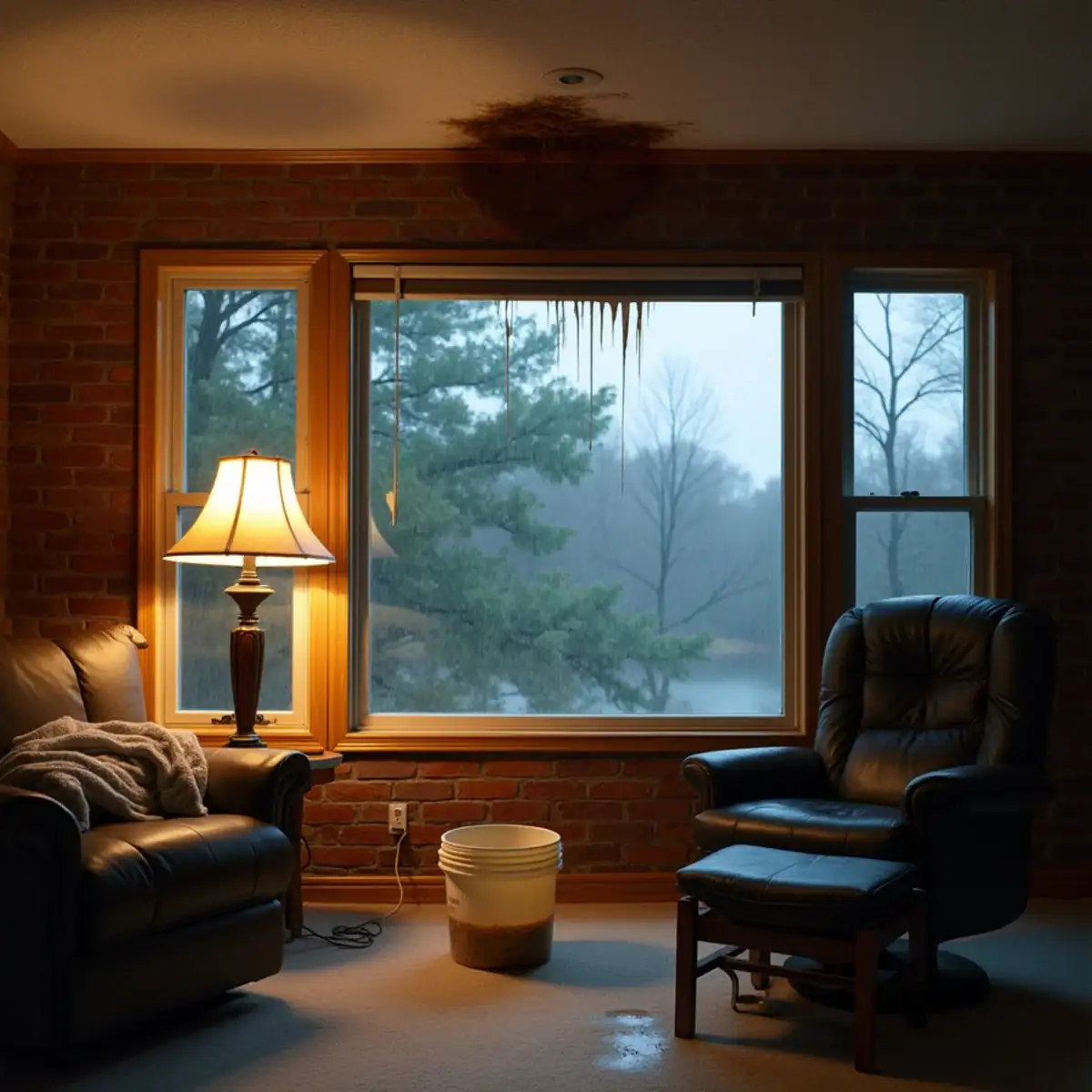
Nail pops on roof shingles are nails that have worked partly loose and lift the shingle above them, leaving a small bump, a tab that will not lie flat or a nail head showing through. They matter because each one is an open hole in a layer that is supposed to be sealed. Rain runs down the shingle, finds the gap around the nail and follows the shank into the deck. One pop rarely floods a room, but it can stain a ceiling and soften the wood around it over time.
Roofers hear about nail pops most from subdivision homes built in the 1990s and 2000s. Bryant grew from under 10,000 people in 2000 to about 21,000 now, and many of those houses still have their original builder roofs at 15 to 25 years old. Sherwood grew subdivision by subdivision from the 1970s through the 2000s, and its newer streets are at the same stage. See shingle roof repair in Bryant and shingle roof repair in Sherwood for more on those roofs.
What a nail pop looks like
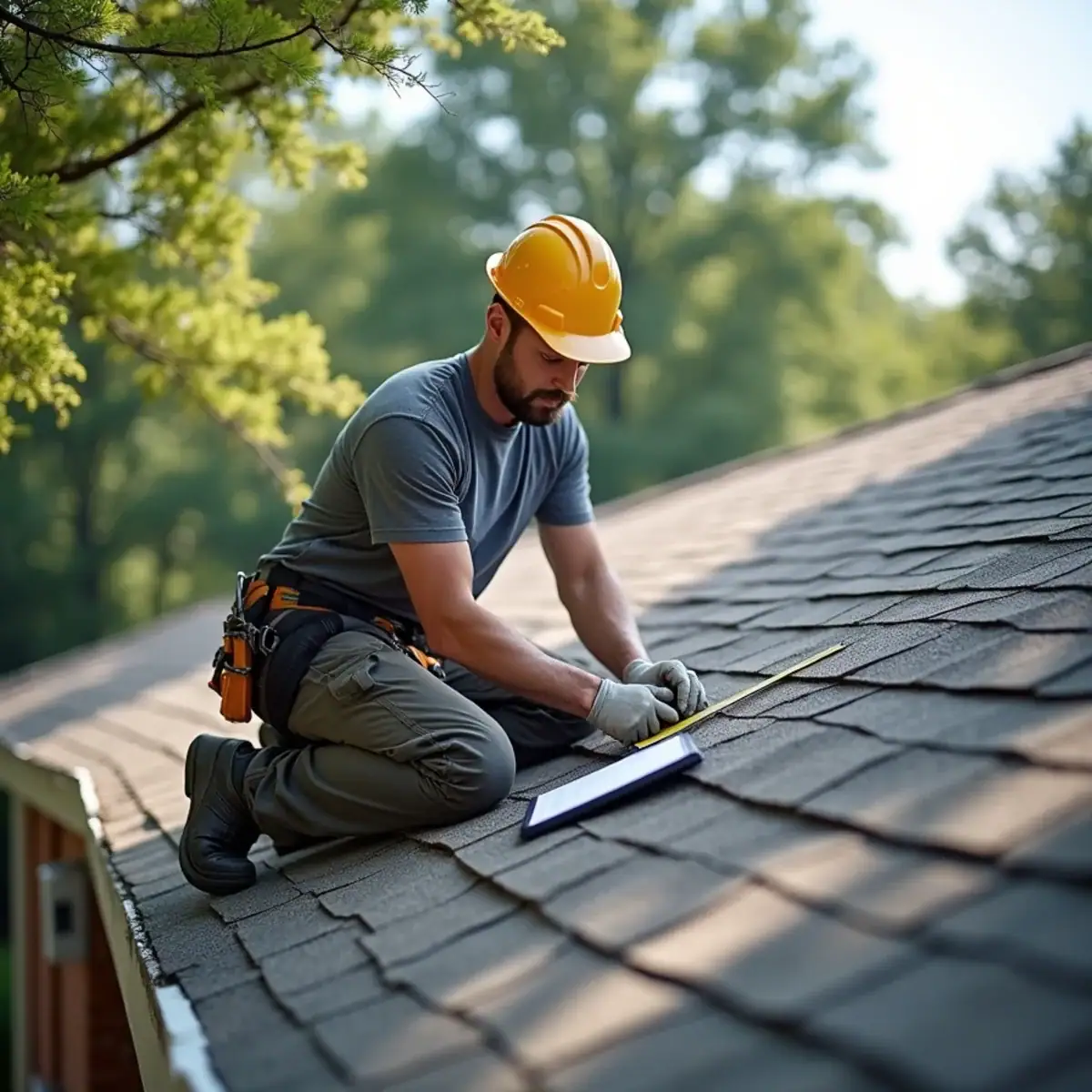
From the yard, nail pops show up as small bumps under the shingles, often in a straight line across a slope, since they follow a row of nails. Low morning or evening sun makes them easier to spot. Up close you may see a shiny nail head, a shingle tab that is no longer sealed down, or a small tear or hole in the shingle above the nail.
From the attic, look for rusty nail tips with small dark rings around them on the underside of the deck. A ring around a single nail, directly under a pop, is a strong sign water is following that nail down.
Ceiling nail pops are a different problem
Small round bumps or cracks in a drywall ceiling are usually drywall fasteners moving as the framing shifts. They are not roof nails and do not mean the roof is leaking, unless they come with a water stain.
Why shingle nails back out: deck movement and heat
Shingle nails hold in the roof deck, usually plywood or oriented strand board. That wood moves. It takes on moisture and swells during humid Arkansas summers and long rains, then dries and shrinks in drier months. Each cycle loosens the grip on the nail a little.
Heat adds to it. A roof deck goes from cool at night to very hot on a summer afternoon, especially over a poorly vented attic, and the nails and wood expand and shrink at different rates. Over years, a nail that was holding well can creep up a fraction of an inch at a time.
Deck panels that were loosely fastened to the rafters also flex when someone walks on them, which can push nails up from below. When many pops show up on one slope, the deck itself is often part of the cause.
Overdriven, underdriven and misplaced nails
Installation plays a big role, and most builder roofs were nailed fast with air guns. A few common problems:
| Problem | What happens | Usual fix |
|---|---|---|
| Underdriven nail | Head sits proud, pushes the shingle above up and keeps it from sealing | Pull, seal the hole and refasten flush |
| Overdriven nail | Head cuts into the shingle, so it holds poorly and the shingle can tear loose | Replace the damaged shingle |
| Crooked nail | Driven at an angle, the head lifts one edge and holds weakly | Pull and refasten straight |
| High nail | Placed above the nailing line, it misses the overlap and backs out easily | Refasten in the correct zone |
| Short nail | Barely enters the deck, so it loosens as the wood moves | Refasten with a proper length |
Nail guns set too high or too low across a whole job tend to leave the same problem across a whole roof. That is one reason pops often appear in rows and on several slopes at once.
How a nail pop turns into a leak
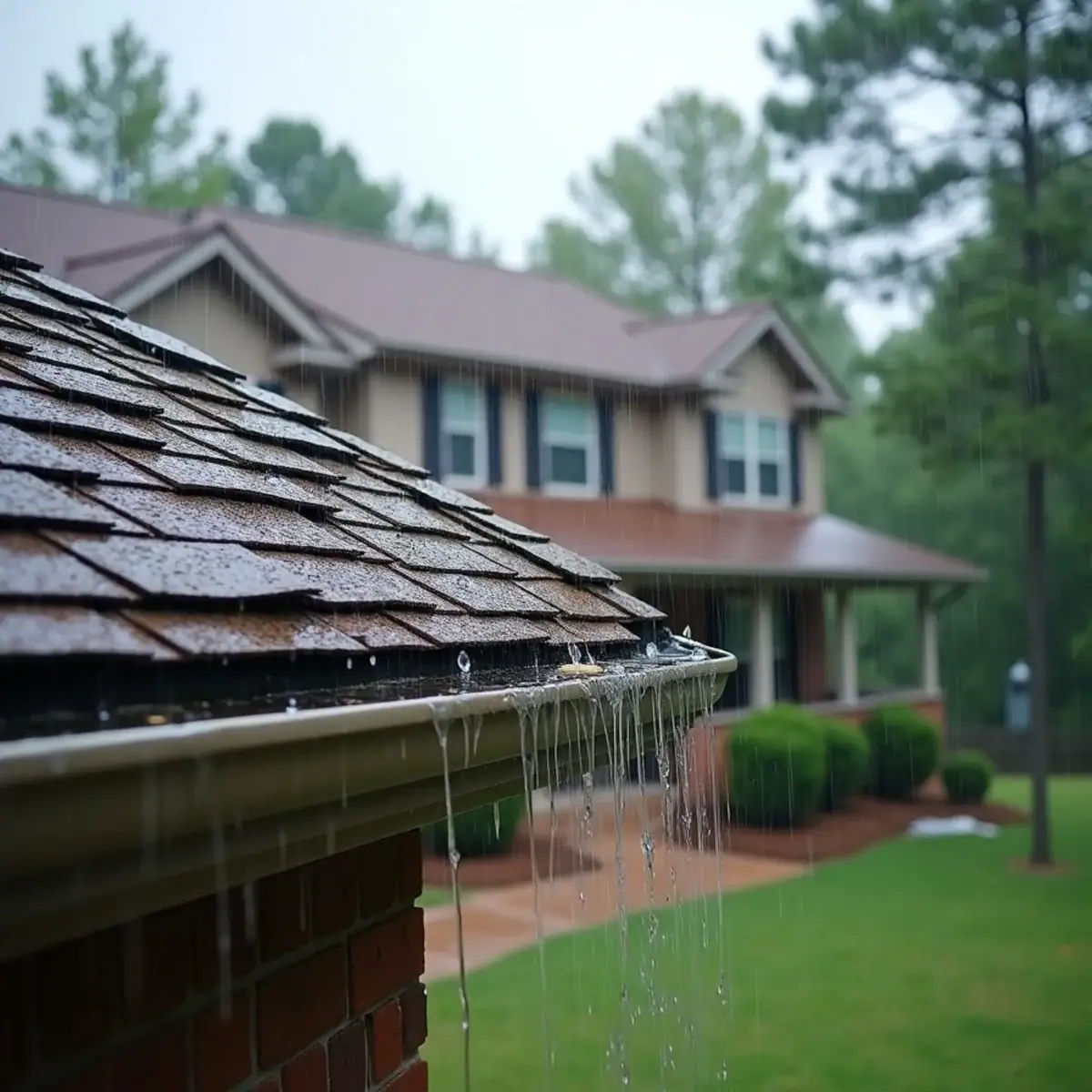
A raised nail does damage two ways. First, the hole around the shank opens as the nail rises, and water running under the shingle above follows the nail down into the deck. Second, the head pushes up on the shingle covering it, breaking the seal strip. Once that tab is unsealed, wind can lift it, and over time the nail head can wear through it completely.
The result is usually a slow leak that shows only after long rains: a small stain on the ceiling, a damp spot in the insulation, or a soft area in the decking around one nail. These leaks are easy to miss for a season or two. If you have a stain you cannot explain, roof leak repair starts with tracing it back to the source, and nail pops are one of the first things a roofer checks.
Is that bump a nail pop, or something else?
Not every raised spot on a shingle roof is a nail. Before anyone pulls shingles apart, the roofer reads the shape and the pattern of the bump, because each cause has a different fix.
| What you see | Likely cause | What it means |
|---|---|---|
| Small, round bump about the size of a nail head, often in a line across the slope | Nail pop | Pull, seal and refasten; check the deck if there are many |
| Scattered pimples or small open pits in the shingle surface, in no pattern | Blisters: moisture or gases trapped in the asphalt, often worse over a hot, poorly vented attic | Mostly cosmetic at first; the roofer watches for bare spots where granules have popped off |
| One odd lump on its own | Debris under the shingle, such as a dropped nail, a wood chip or a scrap of old shingle | Cleared only if it is wearing through the shingle |
| A straight ridge running sideways across the slope, repeating about every 4 feet up the roof | Deck panel edges swelling where the sheets were butted tight with no gap | A decking issue, not a nail issue |
| Wavy lines or wrinkles over a wide area | Underlayment that got wet or was laid wrinkled before the shingles went on | Usually cosmetic unless tabs have lifted; the roofer checks that they still seal |
Timing is a clue too. Many homeowners first notice pops in fall or early winter, after a long, humid Little Rock summer has swollen and dried the deck, and when low sun throws a small shadow behind every raised tab. A hard cold snap after a warm spell can add a few more.
How a roofer repairs nail pops
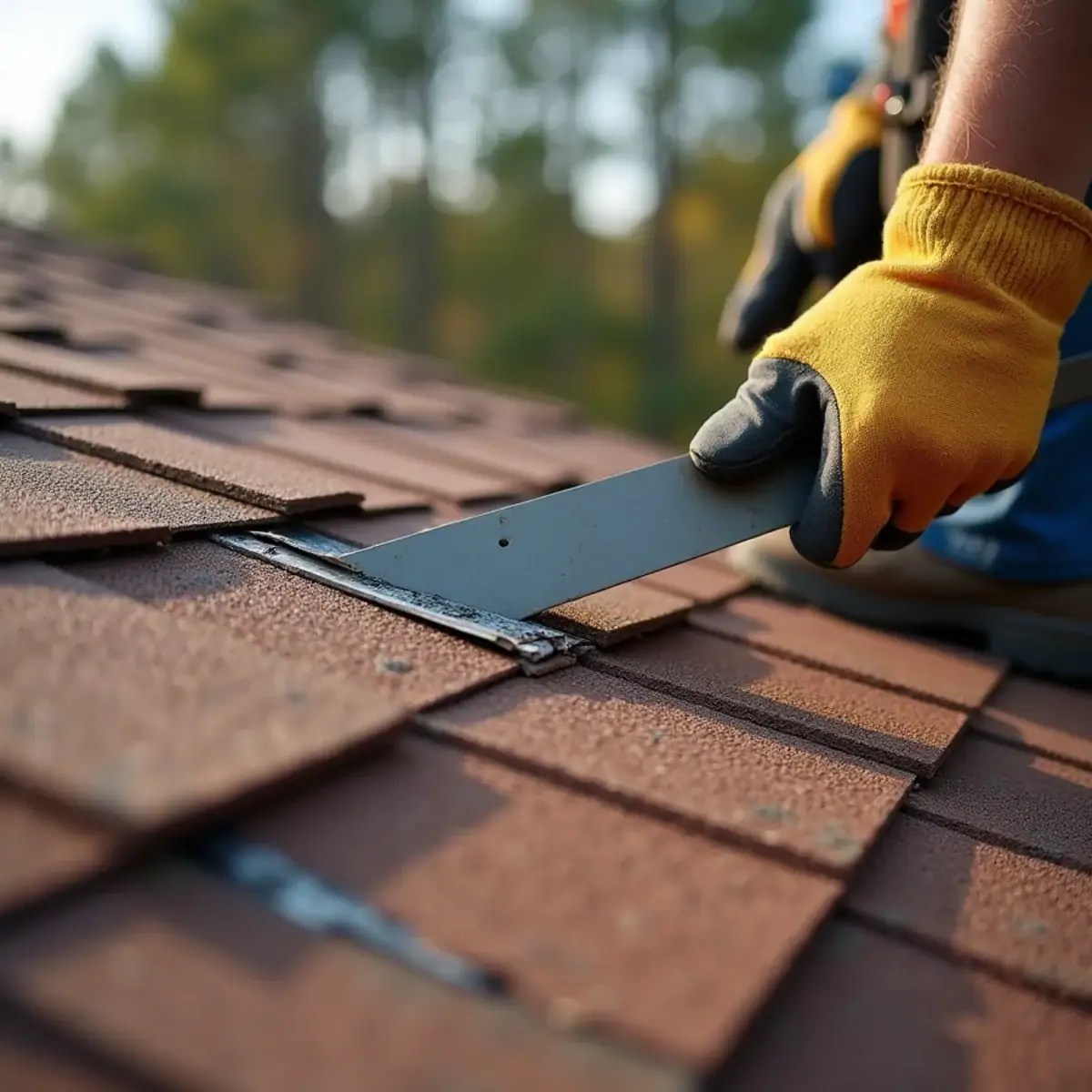
- Break the seal on the shingle above carefully, preferably when the shingles are warm enough to bend without cracking.
- Pull the popped nail instead of driving it back in.
- Seal the old nail hole with roofing sealant.
- Drive a new nail of the right length just beside the old hole, in the correct nailing zone, into solid deck.
- Seal the lifted tab back down and replace any shingle that is torn or punctured, matching it to the roof.
This is part of shingle and nail pop repair, often done along with lifted tabs and a few cracked pieces on the same visit. If the roofer finds soft decking under the pops, that section gets repaired before new shingles go on. The roofer gives a written estimate before work starts. For more on how new shingles blend in, see our guide on replacing a few shingles on an older roof.
What keeps a repaired nail pop from coming back?
A spot repair only lasts if the new nail holds better than the old one did. Roofers do a few things differently on the second try:
- Ring-shank nails. Rings along the shank lock into the wood fibers and resist backing out much better than a smooth shank, which is why many roofers reach for them on a deck that has already let nails creep.
- The right length. The nail has to reach far enough into solid wood to hold as the deck swells and dries. Our page on roof decking repair explains how much wood a shingle nail needs.
- A flush head, every time. Repair nails are often driven by hand so each head sits snug without cutting the shingle. A compressor set on a cool morning can sink nails too deep once the shingles soften in the afternoon sun, so the roofer checks the first few nails and adjusts as the day warms.
Attic conditions matter too. A deck that bakes every afternoon and stays damp over a poorly vented attic keeps moving, and new nails feel it. If the roofer sees rust on many nail tips from the attic, read up on attic ventilation and shingle life before more repairs.
When many nail pops point to something bigger
Experienced roofers read nail pops by pattern, not just by count. A handful scattered across a roof usually comes down to a few poorly driven nails, and a spot repair handles it. Pops lined up in rows on one slope suggest that the deck there is moving or the nails were too short. Pops grouped around soft or spongy areas point to a decking problem that needs to be opened up.
Pops spread across every slope of an older roof, along with brittle shingles that crack when the roofer lifts them, raise a different question. Repairs can still stop the leaks, but the roofer should say plainly how much life the shingles have left. A full-roof decision is a separate conversation, and you should get photos of what the roofer saw before having it.
Quick answers
Can I just hammer a popped nail back down?
No, that rarely lasts. The hole around the nail is already enlarged, so a nail driven back into it has little grip and tends to rise again. Hammering on the shingle can also crack it, especially in cool weather. The lasting fix is pulling the nail, sealing the hole and setting a new nail beside it in solid wood, then sealing the shingle back down.
Are nail pops a sign of a bad roof installation?
Not always. Some pops come from nails that were underdriven, overdriven, short or placed too high, which are installation issues. Others come from years of the deck swelling and shrinking with Arkansas humidity and heat, which happens even on well-installed roofs. A roofer can usually tell which by looking at the pattern and how the nails were driven.
Do nail pops always cause leaks?
No, not right away. A nail that has risen only slightly under a sealed shingle may not let water in for some time. But as it rises further, it breaks the seal strip and can wear through the shingle above, and then water follows the nail into the deck. Since the leak is slow and hidden, it is better to fix pops when you spot them.
Will ring-shank nails stop nail pops from coming back?
Usually, they help a lot. A ring-shank nail grips the deck much harder than a smooth one, so it is far less likely to creep up as the wood moves. It still needs the right length and solid wood, and on a soft or badly moving deck, better nails alone will not stop new pops.
What time of year is best for fixing nail pops?
Mild spring and fall days are easiest, when shingles bend without cracking but are not so soft that they scuff. Summer mornings work too. In cold weather the roofer hand-seals the lifted tabs, since seal strips need warmth to stick on their own. If a pop is already leaking, do not wait for the season. Get it fixed now.
Fix nail pops before they become ceiling stains
Nail pops are small, but each one is an open hole in the roof. Fixing them early is a quick repair; waiting until a stain shows up can mean wet insulation and soft decking. If you see bumps in a row on your shingles or rusty nail tips in the attic, have a roofer take a look. Every roofer we send is licensed and insured in Arkansas. Call Little Rock Shingle Roofers at (773) 207-0769; we answer 24/7.