Quick answer
Good attic ventilation helps a shingle roof last by drawing outside air in at the eaves and letting hot, humid air out near the ridge. In Arkansas summers, a poorly vented attic bakes shingles from below and traps moisture that can rot the decking. Balance intake with exhaust, and keep the soffit vents open.
Proper attic ventilation helps a shingle roof last longer because shingles take heat from both sides: the sun on top and the attic air underneath. In a well-vented attic, outside air enters low at the soffits and leaves high at the ridge, carrying heat and moisture out with it. In a poorly vented one, the space under the deck stays hotter through an Arkansas summer afternoon, and the shingles above dry out, curl and shed granules sooner. Trapped humidity also works into the decking. The goal is balanced intake and exhaust.
Roofers see ventilation problems on two very different kinds of houses south of Little Rock. In Bryant, many homes built in the 2000s still have their original builder roofs, now 15 to 25 years old, with vent layouts that were set by the floor plan rather than the attic. In Benton, older homes near the courthouse square often have only a few gable vents, plus decades of insulation and remodeling that changed how air moves.
How intake and exhaust vents work together
Hot air rises. A vented attic uses that by letting cooler outside air in near the eaves and letting warm air escape near the ridge. As long as both ends are open, air moves through the attic on its own all day.
| Vent type | Where it sits | Its job |
|---|---|---|
| Soffit vents | Under the eave overhang | Intake: let outside air in low |
| Ridge vent | Along the peak, under the ridge cap | Exhaust: let hot air out high |
| Box or turtle vents | On the roof slope near the ridge | Exhaust, in spots |
| Gable vents | In the end walls of the attic | Mixed; often fight other vents |
| Powered fans | On the roof or gable | Forced exhaust; needs plenty of intake |
The model residential building code starts at 1 square foot of net free vent area (the actual open space, not the size of the vent cover) for every 150 square feet of attic floor. It allows 1 for every 300 when the system is balanced, with 40 to 50 percent of the opening up high as exhaust and the rest down low as intake. That 1-in-300 figure is the rule of thumb most roofers quote, though local code and the attic itself decide the exact numbers. Balance matters more than the total. A long ridge vent with almost no soffit intake has little to pull from.
Mixing exhaust types causes trouble too. A ridge vent on a house that also has gable vents or a powered fan may pull air from the nearest opening instead of from the eaves, leaving the lower attic stagnant. Asphalt roofing industry guidance warns against combining different exhaust vent types over one attic for exactly this reason. A powered fan with too little intake can even draw cooled air up out of the house through ceiling gaps.
Blocked soffit vents: the most common problem
Most attics that run hot have exhaust vents. What they lack is working intake. The usual reasons:
- Insulation blown over the eaves. Added insulation is good, but without baffles at the eaves it buries the soffit vents and stops airflow.
- Painted or covered vents. Repainted soffits and newer trim sometimes cover the old vent openings completely.
- Solid soffits. Some homes, and many additions, were built with soffit panels that have no vents at all.
- Nests and debris. Wasps, birds and leaves can plug small vent screens.
A simple check: on a bright day, go into the attic and look toward the eaves. You should see daylight or at least the vent openings along the edge. If insulation runs solid to the roof deck all the way around, the intake is likely blocked. Foam or cardboard baffles stapled between the rafters hold insulation back and keep a channel open.
Do powered or solar attic fans help in an Arkansas summer?
A fan on the roof looks like the obvious answer to a hot attic, and in a few attics it is. In most, it makes a balanced system worse. Four problems come up on Central Arkansas homes:
- It pulls air from the house. A fan that moves more air than the soffits can supply makes up the difference through ceiling gaps, recessed lights and the attic hatch. That is cooled, dried air you paid for, replaced by hot, humid outdoor air seeping in downstairs.
- It can upset gas appliances. A strong fan can lower the pressure enough to interfere with a natural-draft gas water heater or furnace, pulling exhaust back instead of sending it up the flue. If one is running near a fan, have an HVAC technician check the draft.
- It short-circuits other exhaust. A fan near a ridge vent or box vents pulls outside air straight down through them, so the lower attic never gets the airflow.
- It is another hole in the roof. Every fan sits in a flashed opening, and the housing and flashing age in the sun like any other roof part.
Solar attic fans skip the wiring and run hardest when the sun is strongest, but the same rules apply: they need open soffit intake, they should not share an attic with a ridge vent, and they add a penetration. One common sizing guide calls for about 1 square foot of net free intake for every 300 CFM of fan capacity. When an old fan has quit or is fighting a ridge vent, the roofer can remove it, deck over the hole and shingle it in, or swap it for a passive vent, and put that in the written estimate.
Heat, curled shingles and early wear
On a clear July day, the attic under an unvented or poorly vented roof can get far hotter than the outdoor air. The shingles sit on top of that heat for months each year. Over time they lose the oils that keep them flexible, the edges cup upward or the middle of each tab bows, and granules wash into the gutters faster than they should.
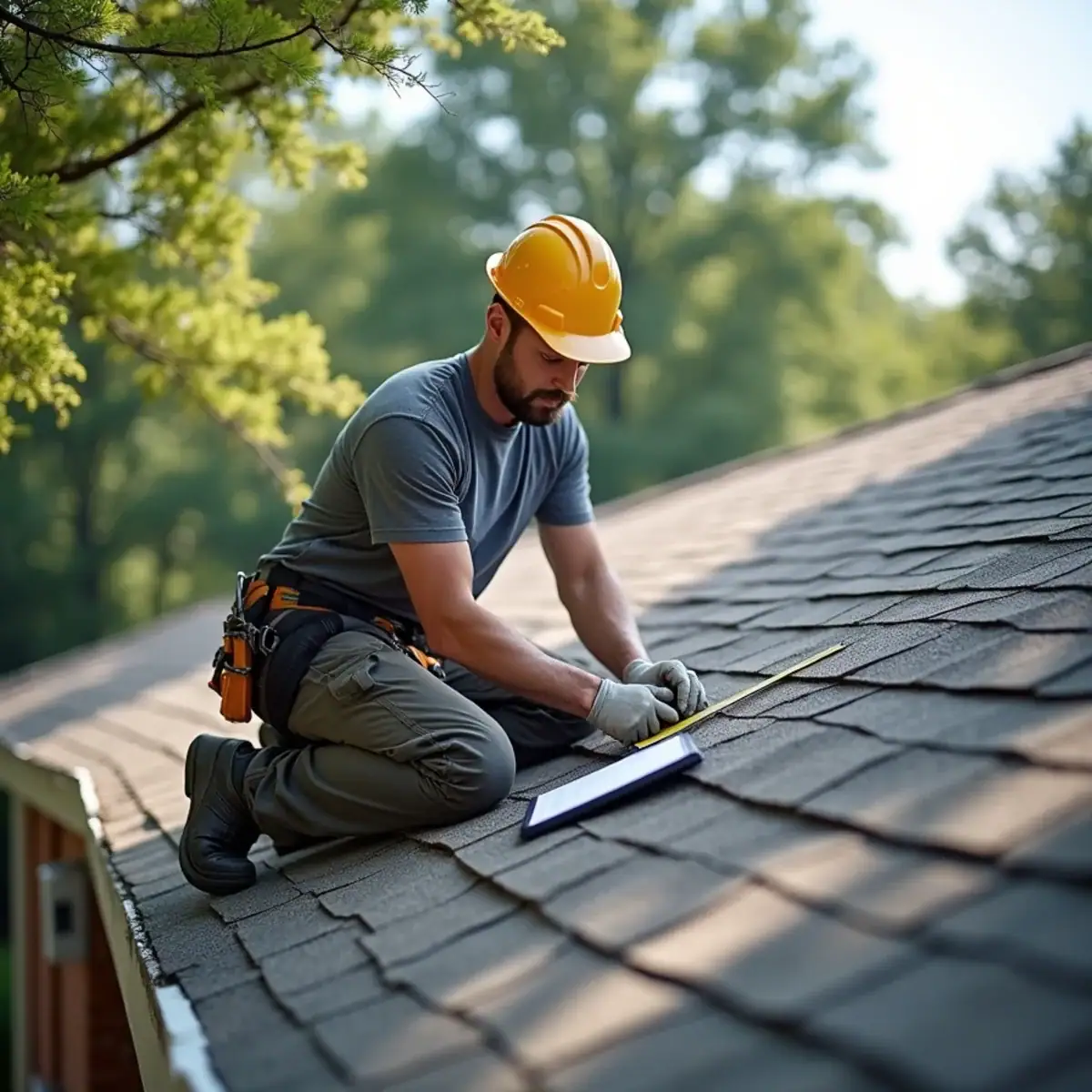
Ventilation is rarely the only cause. Age, direct sun on the south and west slopes, nails that were not driven flush and seal strips that never bonded all add to it. But when curling shows up across a roof that is not very old, ventilation belongs on the list of things to check. Individual curled, lifted or cracked pieces are handled with curled and lifted shingle repair, and the roofer should look at the attic before calling the job done.
Humid attics and roof decking rot
Heat is the summer problem. Moisture is the year-round one. Warm, damp air from the house rises into the attic through ceiling gaps, attic hatches and light fixtures. Bathroom fans that were run into the attic instead of out through the roof add more. When that moist air meets the underside of a cool roof deck on a winter night, it condenses.
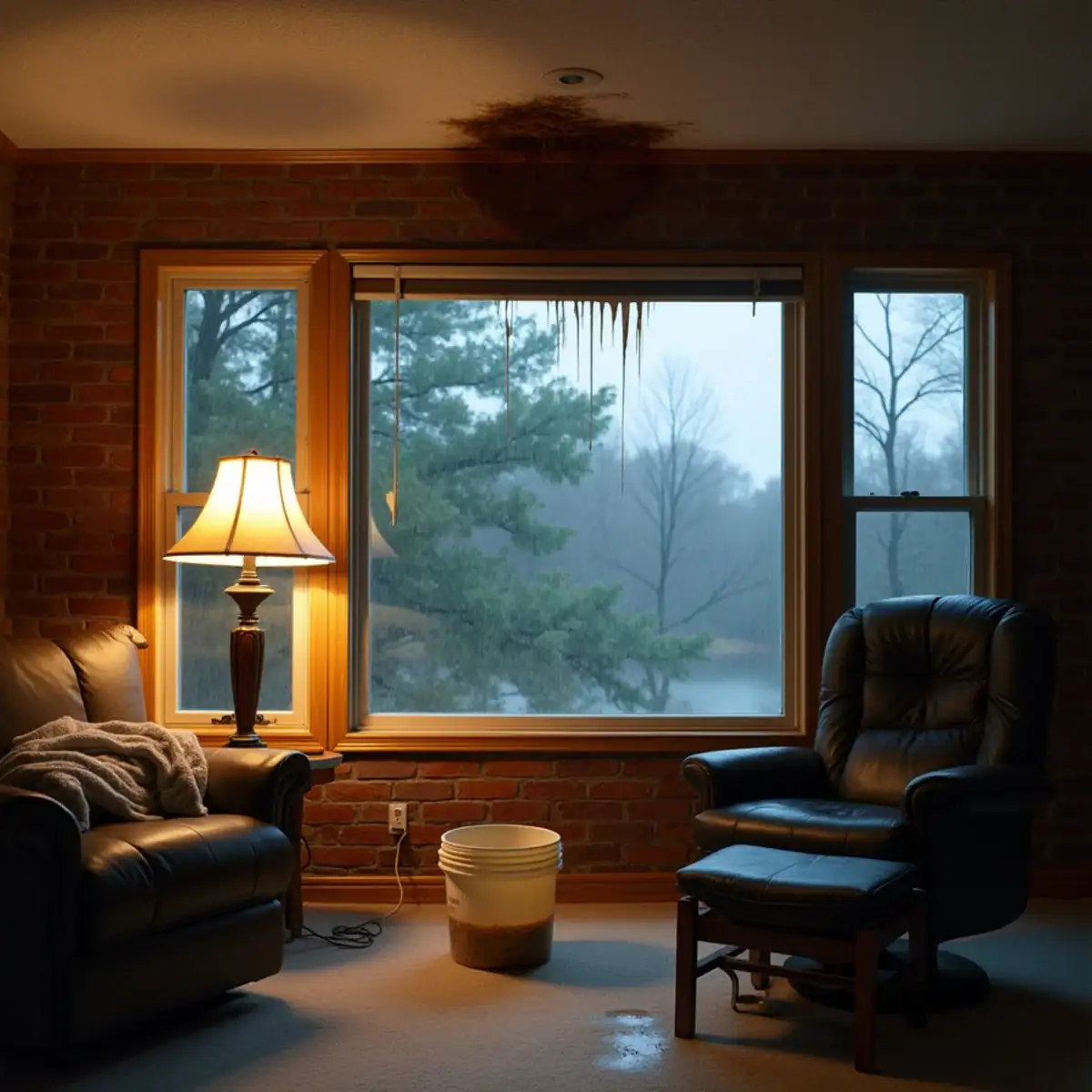
The signs are easy to confuse with a leak: rusty nail tips poking through the deck, dark staining spread evenly across the plywood rather than in one spot, a musty smell, and drips on the ceiling on a cold, dry morning when it has not rained. On a cold snap, frost can form on the nail tips and drip as it melts. Left alone, the wood darkens, oriented strand board swells and flakes, and the deck goes soft underfoot.
Soft or delaminated sections need roof decking repair, but new wood will rot the same way if the moisture source and airflow are not fixed at the same time.
What if your attic has spray foam under the roof deck?
Some homes, often newer builds or older houses retrofitted for energy savings, have no attic vents on purpose. Spray foam covers the underside of the roof deck, the soffit and ridge vents are left out or sealed, and the attic becomes part of the conditioned house. This unvented, or conditioned, attic is a different system, and the intake and exhaust advice above does not apply to it. Cutting in a ridge vent or opening the soffits on a foamed attic lets humid outdoor air reach the cool foam and deck, the opposite of what the design is meant to do.
Studies of foamed roofs generally find the shingles run only a few degrees hotter than over a vented attic, so heat is rarely the concern. Repairs are where it matters:
- Leaks hide longer. Foam can keep a slow leak from showing in the attic while water runs along the deck, so the roofer usually traces it from the shingle side as part of roof leak repair.
- Decking repairs need the foam patched. When a soft section of deck is cut out, the foam comes with it, and an insulation contractor fills the gap afterward so the air seal stays intact.
- Read the shingle warranty paperwork. Manufacturers' written warranties commonly require ventilation that meets their guidelines or local code, and they differ on foam under the deck. Some accept it, some set conditions. Tell the roofer about the foam before work starts.
Ventilation problems roofers see in Benton and Bryant
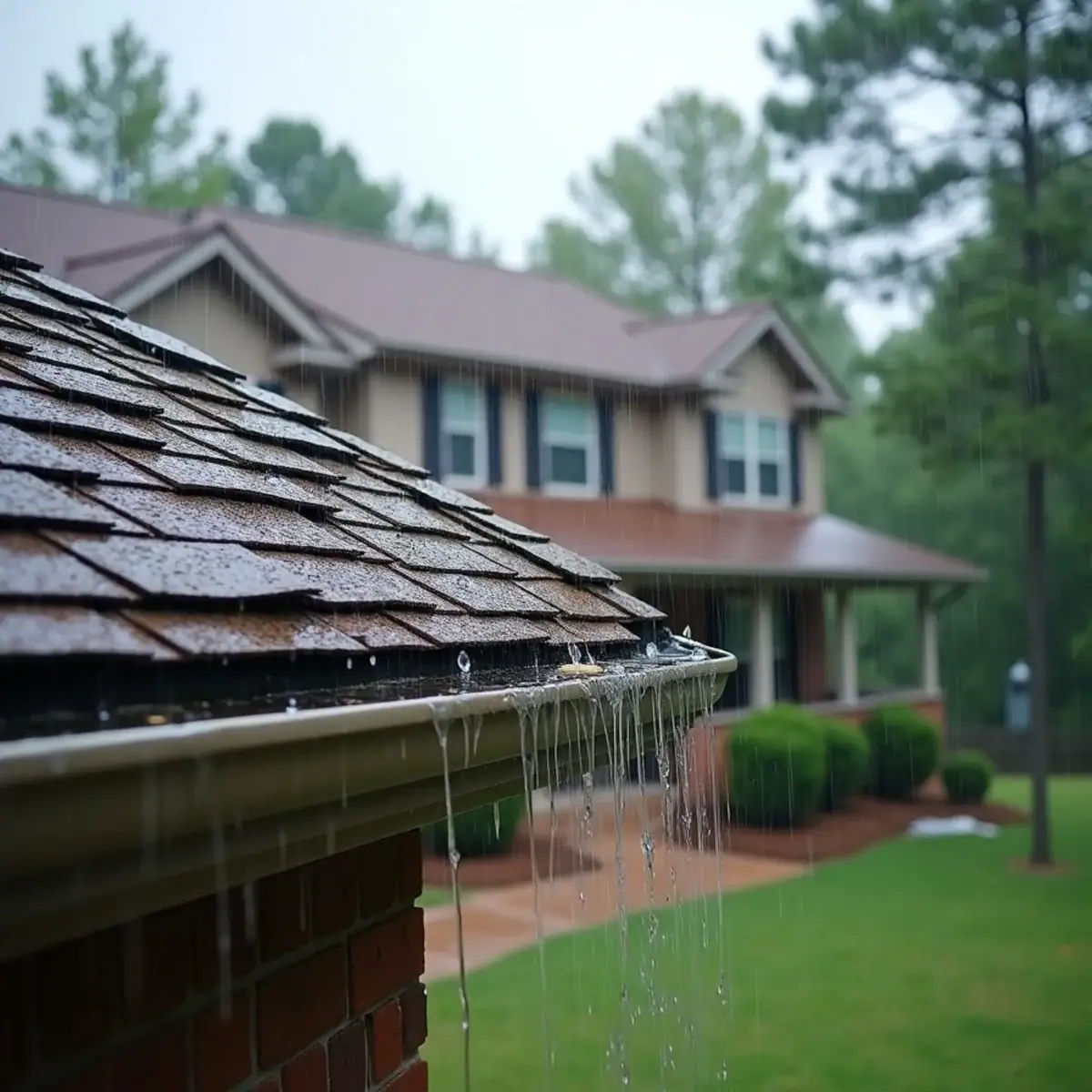
Around Benton's older core, the typical house relied on gable vents and natural leaks when it was built. Later insulation upgrades, new soffits and room additions with their own roofs often cut off what little airflow there was. Decking near the eaves on these homes is where rot tends to show first. See roof leak repair in Benton for more on those homes.
Bryant grew from under 10,000 people in 2000 to about 21,000 today, and many of its homes have hip roofs with short ridges, which leaves little length for a ridge vent. Bath fans ending in the attic and box vents placed by habit rather than by calculation are common. These roofs are also at the age when seal strips let go and nails back out. Our page on shingle roof repair in Bryant covers what else turns up there.
A quick attic check before you call
Go up in the morning, before the attic heats up, with a good flashlight. Step only on joists or a walkway, never on the drywall between them.
- Look toward the eaves for daylight or open vent channels.
- Check where bath and kitchen fan ducts end. They should connect to a roof or wall vent, not stop in the insulation.
- Scan the underside of the deck for rusty nails, dark staining or white mold spots.
- Press lightly on any dark area of wood with a screwdriver. Soft wood is a sign of rot.
- Back outside, note every kind of exhaust on the roof: ridge vent, box vents, a fan, gable vents. More than one kind over the same attic is worth pointing out to the roofer.
- Take photos of everything, so the roofer can see the attic before climbing the roof.
Those photos often tell a roofer more than a walk on the shingles. An attic with dry wood and open soffits points to a different problem than one with a buried eave and a fan blowing into the insulation.
Quick answers
Can poor attic ventilation make shingles curl?
Yes, it can contribute. Heat trapped under the roof deck bakes the shingles from below, drying them out so the edges cup or the tabs bow sooner than they would on a well-vented roof. Age, direct sun and installation problems also cause curling, so a roofer should check the attic, not just the shingles, before deciding what is behind it.
Should I add a powered attic fan?
Not always. A powered fan only helps if the attic has enough intake at the soffits to feed it. Without that, it can pull cooled air out of the house through ceiling gaps and work against a ridge vent. Many attics do better with clear soffit vents and a balanced ridge vent than with a fan. Have the whole system looked at before adding one.
Is a very hot attic normal in an Arkansas summer?
Yes, an attic will always run hotter than the outdoors on a sunny summer day. The question is how much hotter and how fast it cools off in the evening. A well-vented attic stays closer to outdoor temperature and sheds heat after sunset. An attic that feels like an oven late into the evening, or smells musty, likely has blocked intake or unbalanced vents.
Can a roofer add or fix vents during a shingle repair?
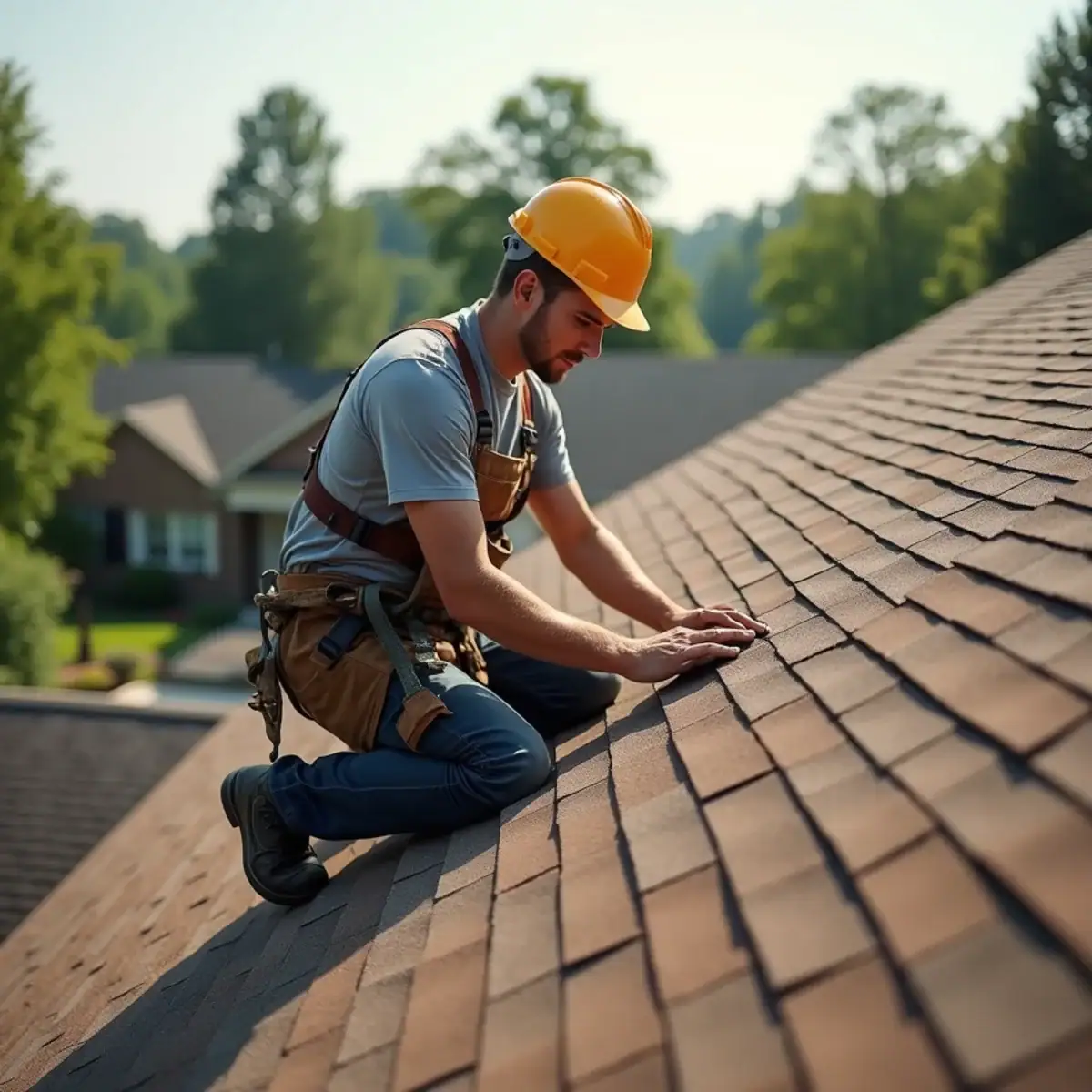
Yes, often. A roofer working on a slope can add or replace box vents, cut in a ridge vent where the ridge is long enough, or clear and baffle soffits from the attic side. It is usually easier to plan this during a repair than as a separate visit. The roofer explains what the attic needs and includes it in the written estimate.
Can a ridge vent and box vents share the same attic?
No, not as a rule. Two kinds of exhaust over one attic tend to feed each other: air enters at the lower box vents and leaves through the ridge vent instead of coming in at the soffits, so the lower attic stays hot and damp. When a roofer adds a ridge vent, the old box vents are usually removed, decked over and shingled in.
Fix the airflow along with the shingles
Curled shingles and stained decking are symptoms. If the attic stays hot and damp, new shingles and new wood age the same way. Ask the roofer to check soffits, exhaust vents and fan ducts during any shingle or decking repair, and to explain what changes would help. Our guide to what drives shingle roof repair cost explains how that work is priced. Every roofer we send is licensed and insured in Arkansas. Call Little Rock Shingle Roofers at (773) 207-0769; we answer 24/7.