Quick answer
There is no honest flat price for shingle roof repair in Little Rock. The cost depends on what failed, how hard the spot is to reach, roof pitch and height, the materials, how well the shingles can be matched, and whether rotted decking turns up underneath. The roofer inspects first and gives you a written estimate before work starts.
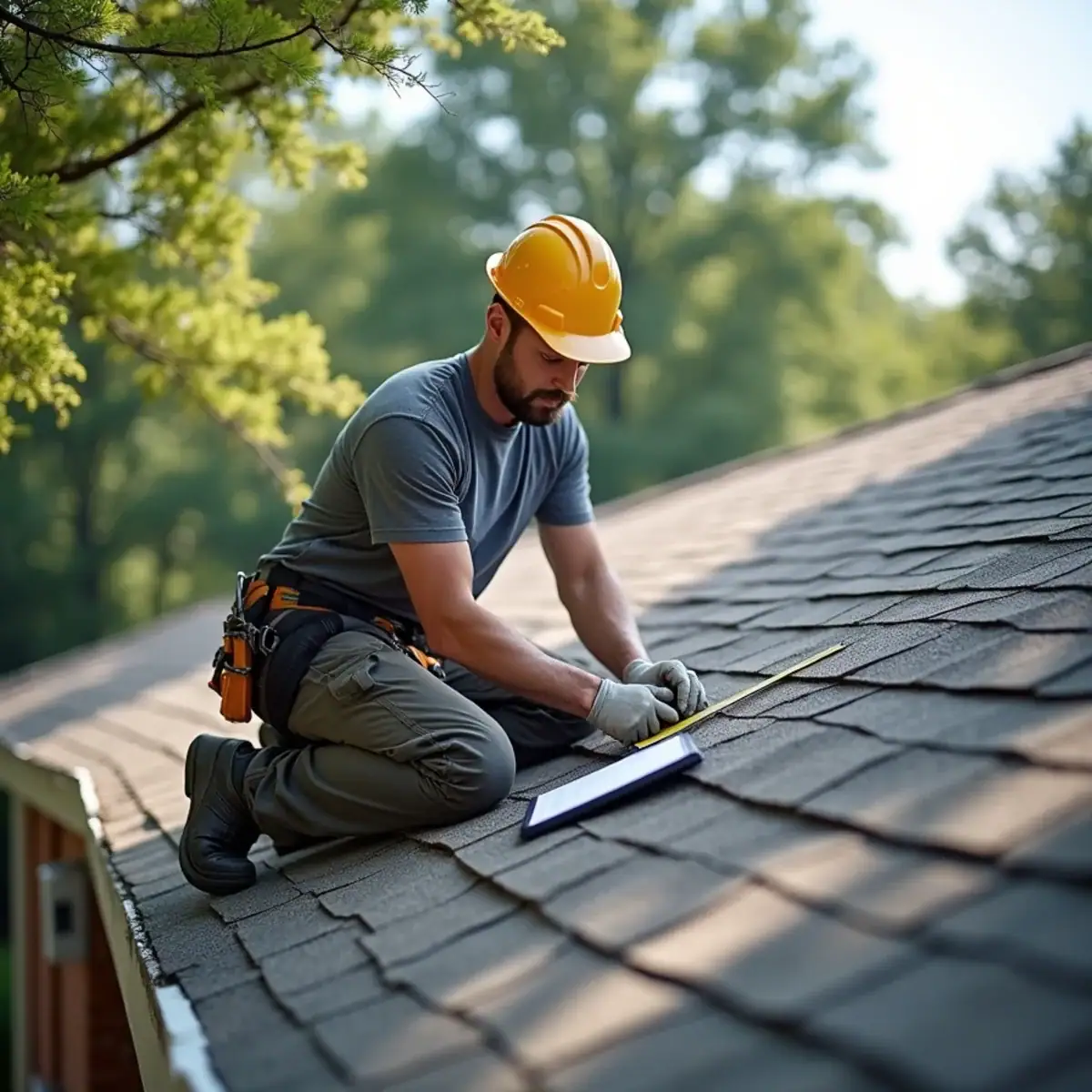
Shingle roof repair cost in Little Rock comes down to what failed, where it is, and what the roofer finds once the shingles are lifted. A cracked pipe boot on a low ranch roof is a short, simple job. A chimney reflash on a steep two-story Heights home, with soft decking underneath, is a very different one. That is why the roofer looks at the roof first and hands you a written estimate before any work starts. Below is what drives that number, and how to read the estimate when you get it.
This post does not list prices on purpose. Materials, labor and the condition of your particular roof change the number too much for a published figure to mean anything. What we can do is explain the moving parts, so the estimate makes sense when you see it.
Why a fair price can't be given over the phone
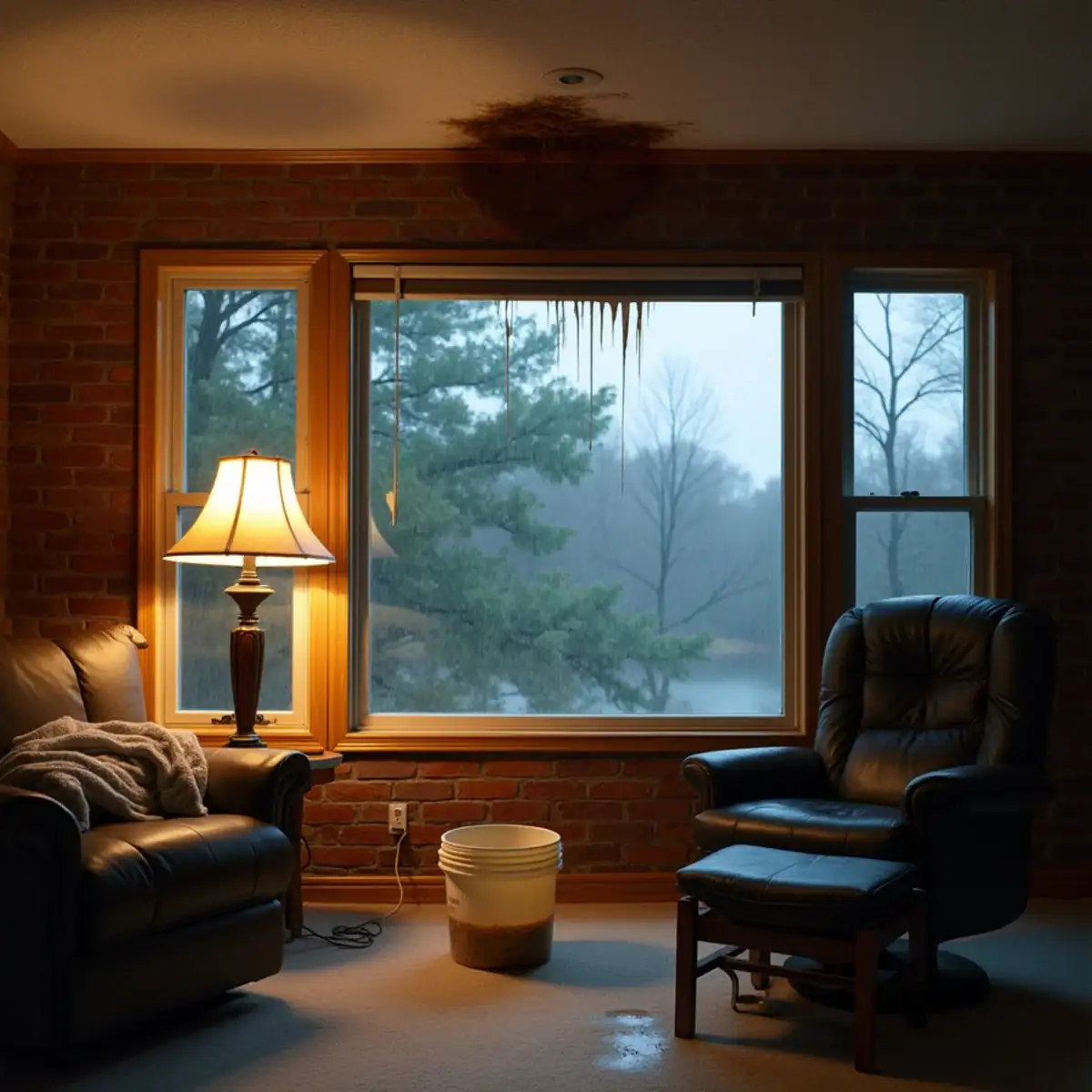
Callers often describe a leak as a stain in the hallway or one missing shingle. That tells the roofer where to start, not what the job is. The stain could be a pipe boot, a nail pop, a valley or flashing several feet uphill. A missing shingle on a 20-year-old roof may come with three cracked neighbors that cannot be lifted without breaking.
Little Rock's housing stock adds to that. With a median build year around 1978, many roofs here carry a long history: patches from earlier repairs, mixed shingle types, and older plank decking on pre-war homes. A roofer has to see it to price it.
What drives the price of a shingle repair
- What failed. A rubber pipe boot, a few shingles, a run of step flashing and a chimney are different parts with different labor.
- Access. A spot over a garage you can reach from a ladder is quicker than one above a sunroom, behind a tree or over a steep drop to a driveway.
- Pitch and height. Steep roofs need harnesses, roof jacks and more time. A second story means more ladder setup and slower work.
- Materials. 3-tab and architectural shingles are handled differently, and flashing metal, boots and underlayment are priced separately.
- Matching. If your shingle line is discontinued or badly faded, finding a close match can take extra legwork or salvaged shingles.
- Decking found underneath. Rotted plywood or planks under a leak can only be seen once the shingles come up. It is the most common reason a small job grows.
- Time of day. A tarp at 2 a.m. in the rain is a different job from a scheduled repair on a dry Tuesday morning.
Common repair jobs and what moves their price
The times below are rough and assume a dry, walkable roof. They are not promises, and they do not include travel or the inspection itself.
| Job | What's involved | What pushes the price up | Typical time on site |
|---|---|---|---|
| Single pipe boot | Lift surrounding shingles, remove the cracked boot, set a new one, reseal and renail | Steep pitch, a lead or oversized pipe, soft decking around the hole | Often under 2 hours |
| A few shingles | Break the seal strips, pull nails, slide in new shingles, nail and hand-seal | Hard-to-match or discontinued shingles, brittle neighbors that crack when lifted | Often 1 to 3 hours |
| Run of step flashing | Remove shingles along a wall, replace step flashing piece by piece, tie back into siding | Siding or brick that must be opened, a second-story wall, rot at the wall line | Commonly half a day |
| Chimney reflash | New step flashing, counter flashing cut into the mortar joints, sometimes a cricket behind the chimney | Wide chimneys, crumbling mortar, steep pre-war roofs, a missing cricket | Commonly half a day to a full day |
| Section of rotted decking | Strip shingles, cut out the soft sheathing, install new plywood, underlayment and shingles | How far the rot spreads, old plank decking, damaged rafters underneath | Often a few hours to a full day |
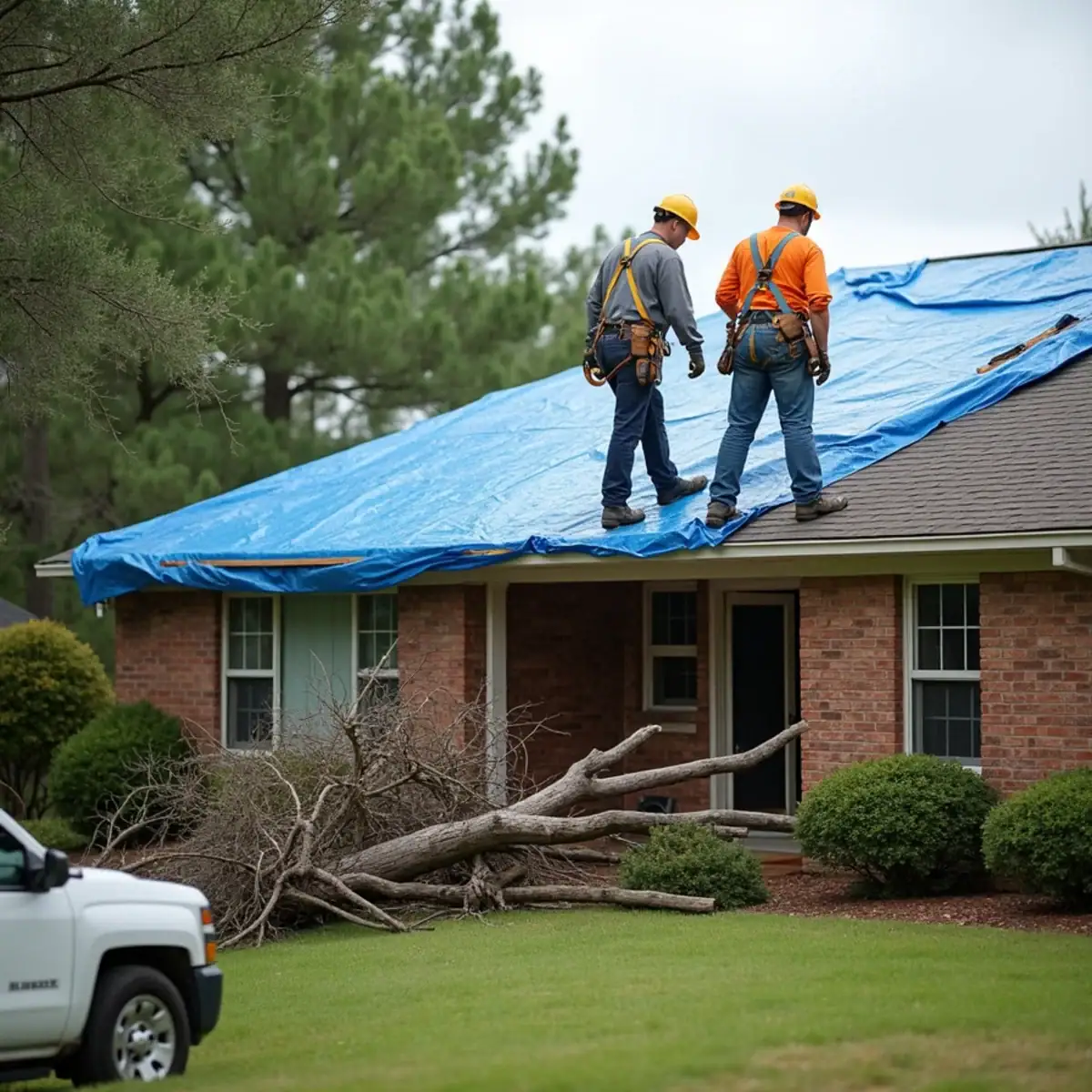
| Emergency tarp | Cover the opening with a heavy tarp wrapped on boards and run over the ridge | Night or weekend calls, a large or steep area, limb removal first | Often 1 to 3 hours |
Most of the leaks in this table are covered in more depth on our roof leak repair page, and the shingle jobs on the missing shingle repair page.
Why isn't a small repair priced per shingle?
Cost guides often price a repair per shingle or per square foot. On a small job, that math falls apart. The shingles are a small part of the bill. Most of it is work that happens whether the roofer replaces one shingle or ten: the drive, the ladder, roping in on a steep slope, finding the leak and the cleanup.
That is why many roofers have a minimum charge for small repairs. It is not a penalty for calling about one shingle. It covers the fixed part of every visit, so ask about it up front.
- Setup. Loading materials, the drive, ladders and roof jacks.
- Safety gear on steep or two-story roofs. Anchors, harnesses and toe boards go up for one shingle the same as for a whole slope. Pre-war roofs in Hillcrest and the Heights and two-story homes in west Little Rock usually need them.
- Finding the source. Tracing a leak from the attic and the roof takes about the same time whatever the fix turns out to be.
- Cleanup. Haul-off and a magnet run over the yard and driveway.
If you have more than one small problem, have them all looked at on the same visit. A lifted ridge cap, a cracked boot and loose drip edge fixed on one trip share a single setup.
How to read a written estimate
A good estimate tells you exactly what will be done, so you can compare it and hold the work to it. Look for these parts:
- The problem in plain words. What failed and where, ideally with photos taken on the roof.
- The scope. Which parts get removed and which get installed, for example new step flashing along the left side of the chimney and new counter flashing cut into the mortar.
- Materials named. Shingle type and color, boot or flashing material, and underlayment.
- A line for hidden decking. Because rot cannot be seen until shingles come up, many estimates price any extra decking per sheet or per board. Ask how you will be told before it is added.
- What is not included. Interior drywall, painting, gutter work or chimney masonry are often separate.
- Cleanup. Nail sweep, haul-off of old material and where the debris goes.
- Paperwork. Many small shingle repairs need no building permit, but the estimate should say who pulls one if the job does. If the house is in the MacArthur Park Historic District, ask whether exterior work needs review by the city's Historic District Commission before it starts.
If something is vague, ask before you sign. A licensed roofer would rather explain the line than argue about it later.
Why do two quotes for the same leak look so different?
Two roofers can look at the same stain and write very different numbers. Usually they are not pricing the same job. One found a cracked pipe boot and soft wood around it. The other plans to smear sealant over the boot and leave. Compare the estimates line by line, not by the total at the bottom.
| On the quote | What a complete repair shows | What a low quote may do instead |
|---|---|---|
| The cause | A named part that failed, with photos | "Repair leak" with no location or cause |
| Pipe boots | A new boot, with the shingles around it relaid | The old boot left in place and caulked around the collar |
| Wall or chimney flashing | New step flashing, and counterflashing where it is needed | Roof cement spread over the old metal |
| Shingle match | The shingle line named, and whether the patch will show | No mention, then whatever is on the truck |
| Payment | Written terms that fit a small job | A large deposit before any work starts |
Caulk and roof cement have a place, but as the only fix for a failed boot or flashing they often last a season or two. Be just as wary of a quote that turns one leak into a much bigger job without photos showing why. Our roof flashing and chimney leak repair page explains what a proper flashing fix involves.
Ways to keep a small repair small
- Call on the first stain. A pipe boot caught early is a boot. Caught a year later, it is a boot plus decking.
- Skip the caulk gun. Layers of sealant on flashing hide the problem and add removal time for the roofer.
- Keep valleys and gutters clear. Oak leaves and pine needles packed in a valley push water under shingles in a hard rain.
- Save leftover bundles. If the builder or a previous roofer left shingles in the garage, keep them. They are often the best possible match.
What roofers see on Little Rock roofs
The surprise in most estimates is not the shingles. It is the wood under them. A pipe boot that has leaked a little in every heavy rain for a year or two often leaves a soft, dark ring of decking around the pipe. In Central Arkansas humidity that wood never fully dries between rains, so it rots faster than people expect.
Sherwood is a good example. Its subdivisions went up from the 1970s through the 2000s, and most of those roofs are now on their second set of shingles. Cracked boots and nail pops there tend to be small jobs when they are called in quickly, and decking jobs when they are not. The roofers who work shingle roof repair in Sherwood see both versions every month. If you are weighing a patch against the age of the whole roof, our post on replacing just a few shingles covers when a spot repair still makes sense.
Quick answers
Can you give me a price over the phone?
No, not a fair one. A stain or a missing shingle tells the roofer where to look, not what the job is. The leak might be a pipe boot, flashing or a valley, and there may be soft decking underneath. The roofer inspects the roof first and then gives you a written estimate, so the price matches the actual work.
Does a roof repair cost more at night or on weekends?
Yes, often. After-hours calls usually involve a tarp or temporary seal in poor conditions, and the permanent repair is scheduled for later as a separate visit. The roofer explains the charges for each visit before work starts. If the leak is slow and under control, waiting for a regular weekday visit is usually the simpler option.
Why did my estimate include a line for decking?
Because rotted wood under shingles cannot be seen until they are lifted. Many roofers add a per-sheet or per-board line so you know in advance what extra decking would cost if they find it. Ask the roofer to show you photos of any soft wood before it is replaced, so you can see why it was needed.
Is it cheaper to repair a few shingles myself?
Not always. Lifting old shingles without cracking them, renailing in the right spot and hand-sealing the tabs takes practice, and a bad patch can let water in under the new shingles. A fall from a roof costs far more than any repair. If the roof is low, dry and walkable, small fixes are possible, but most homeowners are better off with a roofer.
Is there a minimum charge for a small roof repair?
Usually, yes. Many roofers set a minimum for small repairs because the drive, the ladder and safety setup, tracing the leak and the cleanup take about the same time whether one shingle is replaced or ten. Ask about it before the visit. Any minimum should appear on the written estimate before work starts.
Get a written estimate before any work starts
The honest answer to what a shingle repair costs is that it depends on your roof, and you should see the number in writing before anyone starts. The roofer we send inspects the problem, explains what failed, and gives you a written estimate with the scope and materials spelled out. Every roofer we send is licensed and insured in Arkansas. Call (773) 207-0769 to get a roofer out to look at your leak or damaged shingles. We are answering 24/7.