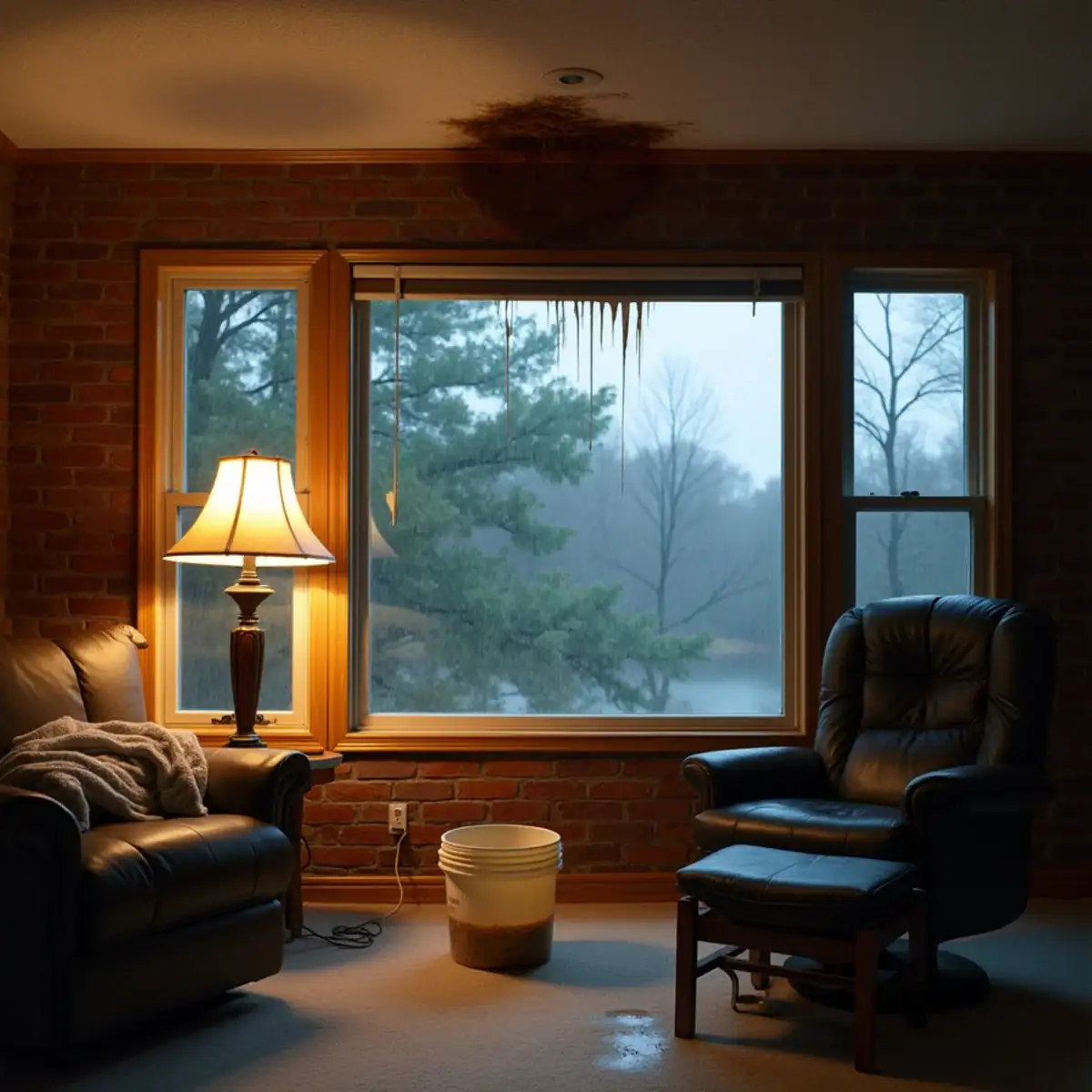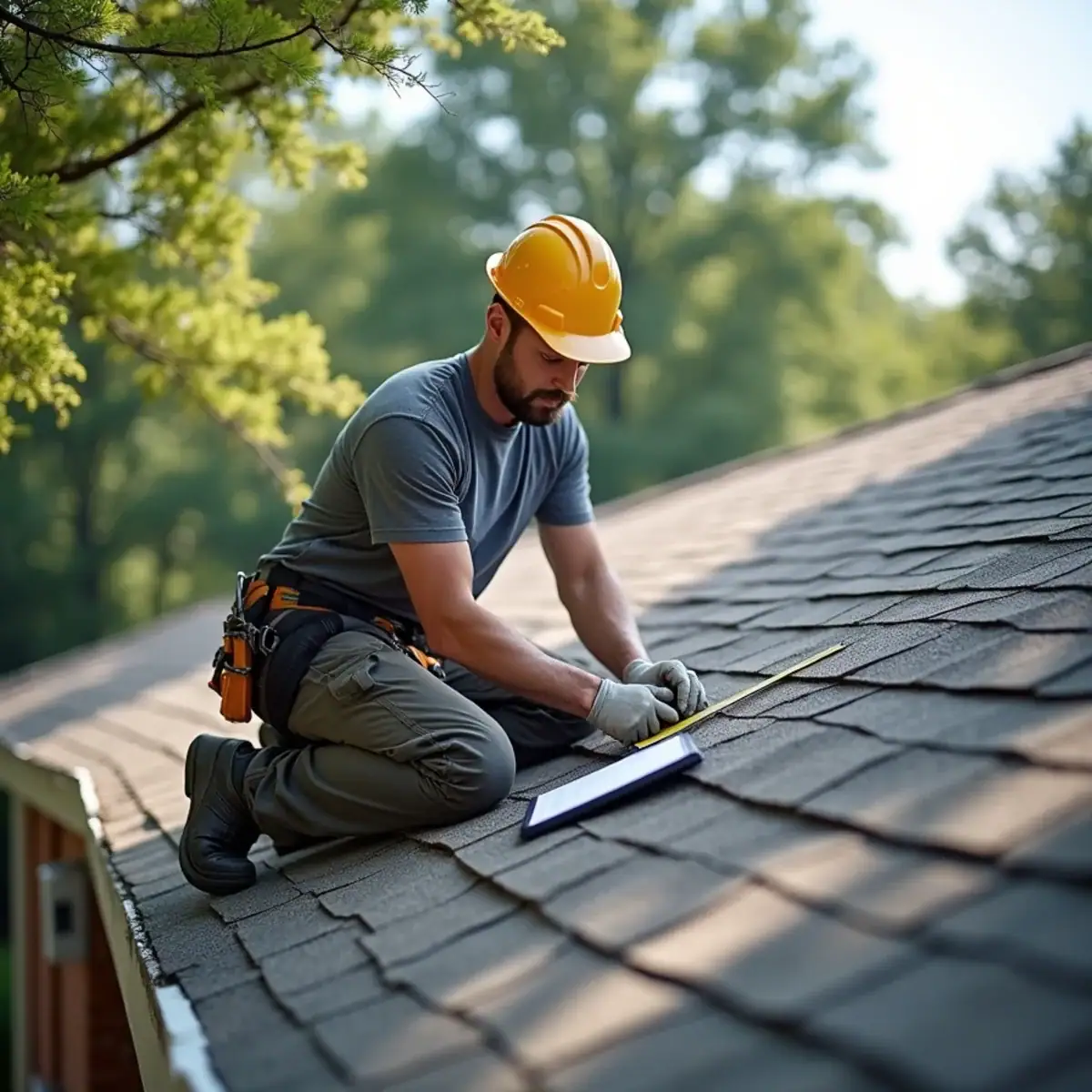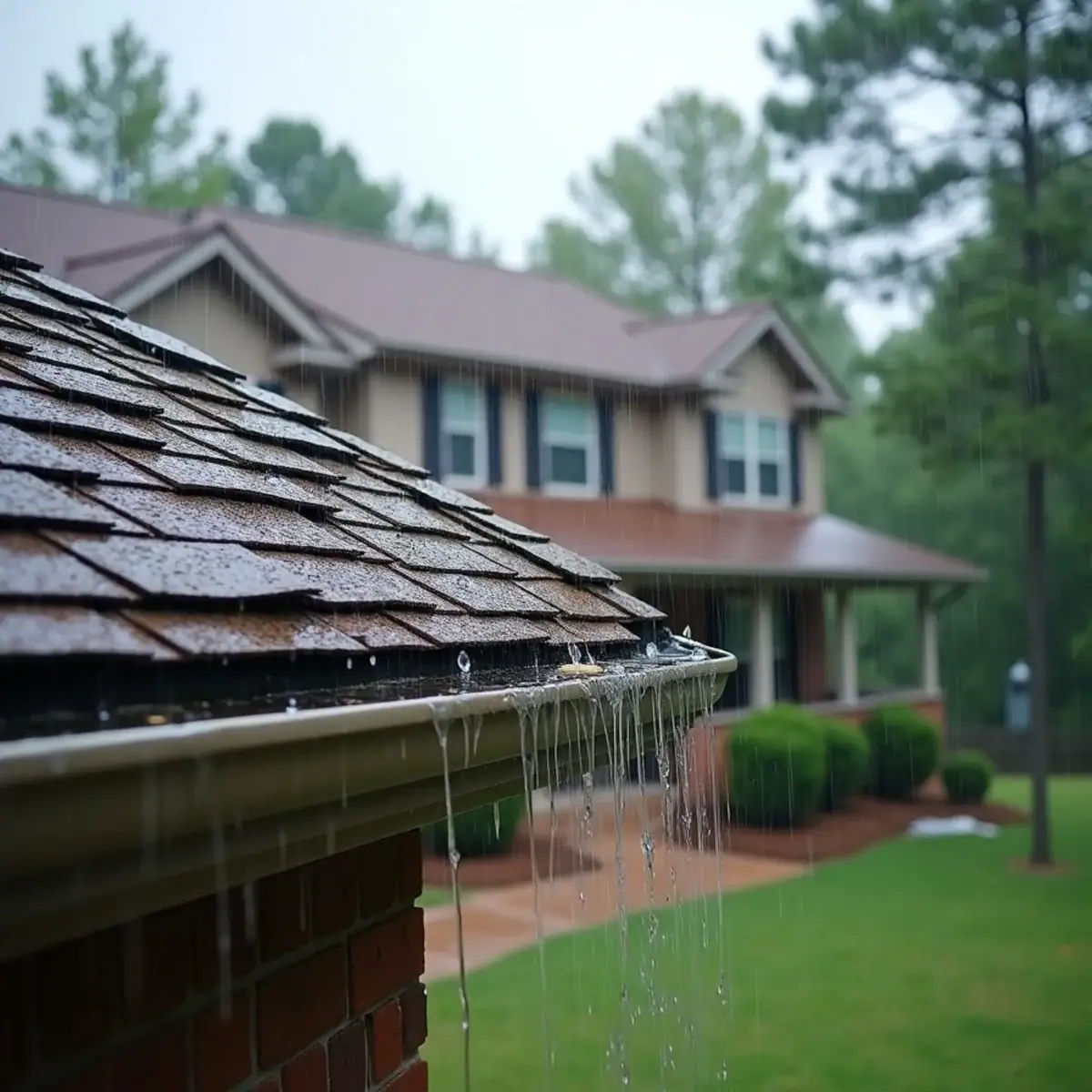
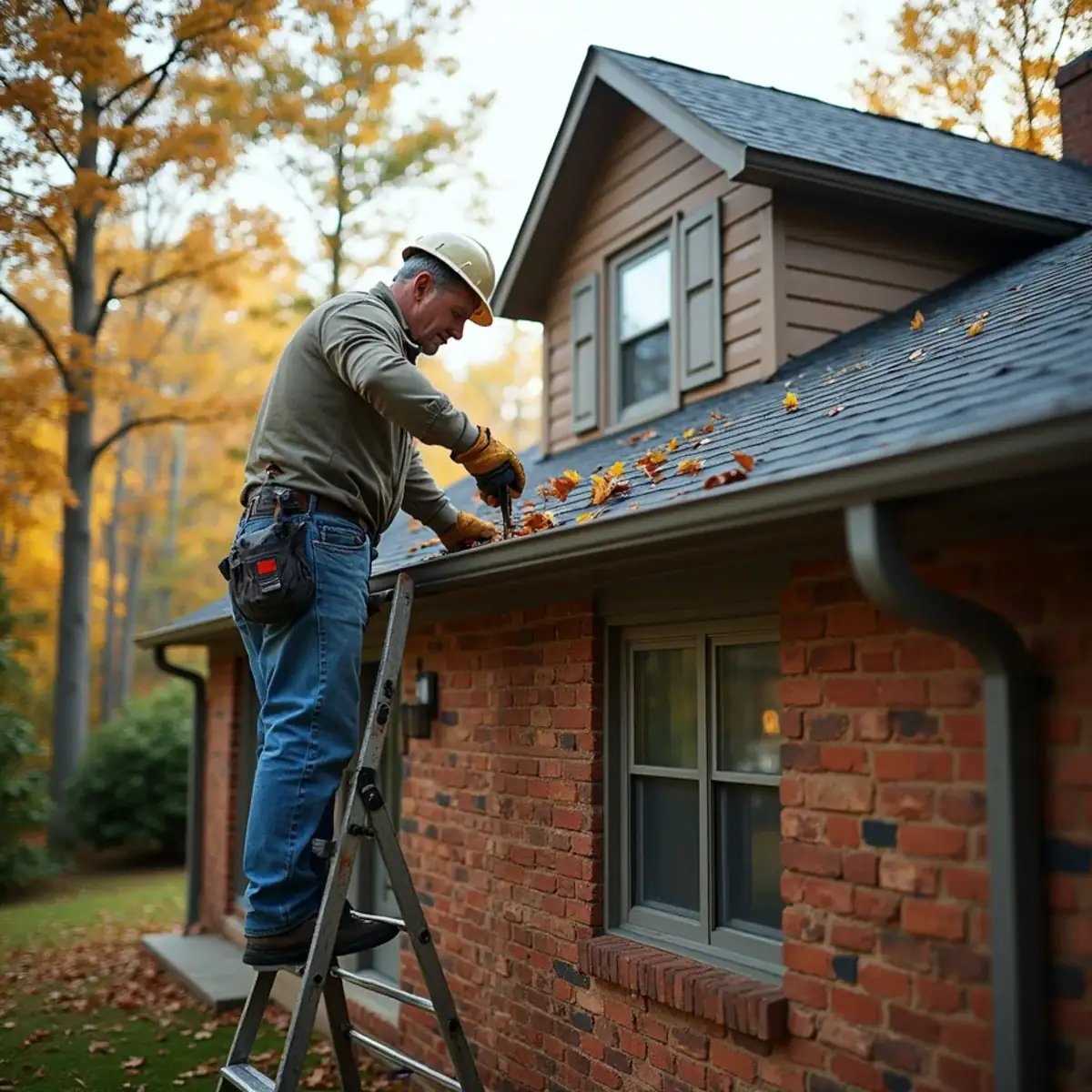
Quick answer
Shingle roof maintenance in Arkansas comes down to four habits: clear gutters and valleys after the spring pollen drop and the late-fall leaf drop, check shingles and flashing from the ground after heavy rain, keep the attic vented through the summer, and have a roofer look closely at pipe boots and chimney flashing every two to three years.
Good shingle roof maintenance in Arkansas is mostly about water and heat. Keep gutters and valleys clear so rain can leave the roof, catch lifted shingles and cracked pipe boots before the next downpour finds them, and keep the attic from baking the shingles from below. Most of it can be done from the ground with binoculars, a flashlight and a ladder at the gutters.
Central Arkansas asks a lot of a shingle roof. Little Rock averages about 50 inches of rain a year, often in heavy bursts, summers run long, hot and humid, and oaks and pines shed pollen, needles and leaves for most of the year. With a median house age dating to 1978, most roofs in the area are on their second or third set of shingles, and small parts fail long before the shingles do. This checklist is built around that.
A season-by-season checklist
| Season | What to do | Why it matters here |
|---|---|---|
| Winter (December to February) | Clear the last oak leaves from gutters and valleys. On a cold morning, check the attic for damp or frosty decking. Make sure bath fans vent outside. | Oaks often hold leaves into December, and warm, wet air trapped in a cold attic condenses on the deck. |
| Spring (March to May) | Clear pollen, oak tassels and pine needles from gutters and valleys. After each heavy rain, check ceilings and the attic. Scan for lifted or missing tabs after windy days. | Spring brings some of the heaviest rain of the year, and clogged valleys push water sideways under shingles. |
| Summer (June to August) | Check that soffit vents are not blocked. Look at pipe boots with binoculars for cracks. Note dark streaks on shaded slopes. Have branches over the roof trimmed. | Attic heat ages shingles from below, and sun cracks rubber boots faster than it wears shingles. |
| Fall (September to November) | Do the main gutter cleaning once the leaves come down. Check behind the chimney for piled debris. Book a roofer's close look if it has been two to three years. | Clean gutters and valleys going into winter keep water moving during long, cold rains. |
Exact timing shifts year to year. The point is to clear debris after each big drop and look at the roof after each wet stretch.
What you can check from the ground
A pair of binoculars and ten minutes on a clear day cover most of what a homeowner needs to see. Walk around the whole house and look for:
- Missing tabs, or shingle edges that are lifted, curled or creased
- Nail heads that have backed up through a shingle
- Heavy piles of granules in the gutters or at the downspouts
- Rubber pipe boots that look split, gray and shrunken, or pulled away from the pipe
- Flashing at chimneys and walls that has pulled away or is caked in old tar
- Leaves and needles packed into valleys or behind the chimney
- Sagging gutters, or water stains on fascia boards below them
- Downspouts with joints pulled apart, or that empty right against the foundation
A few habits make the binocular check more useful. Stand far enough back to see a whole roof slope at once, and walk the house in the same order every time so nothing gets skipped. Low morning or late-afternoon sun helps: a lifted tab or a bent run of drip edge throws a shadow line that flat midday light hides.
Lifted and curled tabs are worth fixing while they are few. Missing and lifted shingle repair is a small job when it is a handful of tabs, and a much bigger one after water has worked under them for a season.
What to leave to a roofer
Gutter cleaning from a ladder is reasonable for many homeowners. Walking the roof is not. Steep pitches, slick granules and morning dew cause falls, and walking on shingles in summer heat scuffs granules off the softened surface. Leave these to a roofer:
- A close check of pipe boots, chimney flashing, wall flashing and valleys
- Resealing lifted tabs and resetting popped nails
- Replacing cracked pipe boots or worn flashing
- Any work above the first story or on a steep roof
Flashing and boots are where most small leaks start, and roof flashing and pipe boot repair is the most common maintenance fix roofers make around Little Rock. If a few shingles need replacing, our guide on replacing a few shingles on an older roof covers how matching works. Two things to skip entirely: pressure washing shingles, which strips granules, and smearing caulk on every joint, which hides problems instead of fixing them.
Which everyday habits shorten shingle life?
Some of the fastest wear on a Central Arkansas roof comes from things people do to it, not from the weather. Pressure washing and caulk on every joint are covered above. These are the other common ones:
| Habit | What it does to the roof | Do this instead |
|---|---|---|
| Walking the roof on a summer afternoon | Hot shingles soften, so shoes scuff off granules and can crease tabs | Keep foot traffic off the roof; a roofer who must go up will plan around the heat |
| Bolting a satellite dish or antenna through the shingles | Every lag bolt is a hole, and the sealant over it dries and cracks in the sun | Ask the installer for a wall, fascia or pole mount instead |
| Nailing or stapling holiday lights and cable lines to shingles | Small holes that leak later and are hard to trace | Use plastic clips that grip the gutter or shingle edge without fasteners |
| Letting an upper downspout empty onto a lower roof | A steady stream in one spot wears granules away and can overrun the shingles below | Ask the roofer about an extension or diverter that carries the water to the lower gutter |
Old dish mounts deserve a second look. A dish removed years ago often leaves bolt holes covered only with a dab of tar, and those become slow leaks once the tar shrinks. If you can see a bare patch or black sealant where a dish used to sit, point it out to the roofer on the next visit.
Trees, valleys and wooded lots
Trees are the biggest maintenance factor on many Central Arkansas roofs. Pine needles slide down into valleys and wedge behind chimneys, where they mat together and hold water against the shingles. Oak leaves fill gutters until water backs up under the roof edge. Shade keeps roofs damp longer, which feeds the black algae streaks common on north-facing slopes.
Maumelle is the clearest example. The city was planned around wooded greenbelts, and many of its larger multi-gable homes sit under tall pines with a lot of valley and wall flashing to keep clear. The roofers we send in Maumelle see plenty of valley leaks that started as a mat of needles. Keeping branches trimmed back from the roof and clearing valleys twice a year prevents most of them.
Attic checks that protect the shingles
Shingles take heat from the sun above and from the attic below. A poorly vented attic on an August afternoon can run far hotter than the air outside, which dries out shingles and speeds up curling. Twice a year, look in the attic for:
- Insulation stuffed against the eaves, blocking the soffit vents
- Bath fan or dryer ducts that end in the attic instead of outside
- Dark stains, damp insulation or a musty smell near pipes, chimneys and valleys
- Daylight around vent pipes, where a boot may have cracked
Older homes need the closest look. In Benton, the mid-century houses around the courthouse square often have modest attic ventilation and masonry chimneys whose flashing has been patched more than once. The roofers we work with in Benton find a lot of slow leaks and soft decking on those homes that a twice-yearly attic check would have caught early.
What should you check after an icy week or a windy front?
Central Arkansas sees more ice and gusty fronts than snow, and the small parts they work loose often stay hidden until the next long rain. Wait until the ice has melted and the wind has dropped, then do this from the ground:
- Walk the yard for pieces of shingle, ridge cap or flashing. A handful of tabs on the lawn means bare spots somewhere above.
- Sight down each eave. Drip edge and gutters should run in a straight line; a wave, a gap behind the gutter or a sag between hangers means ice weight pulled something loose.
- Check that downspout joints are still together and extensions are back in place.
- Scan ridge caps and the eave edges with binoculars. A creased tab shows a light line where it folded back in the wind.
- Look for cracked limbs still hanging over the roof, and have a tree service take them down before they drop.
- Check the attic during or right after the next rain for damp decking or wet insulation.
An open patch of roof or water coming inside is an emergency roof repair call. A lifted ridge cap or a bent section of drip edge can usually wait for a scheduled visit.
Keep a simple roof file
Each spring and fall, photograph every roof slope from the same spots in the yard, plus the attic, and save the pictures in one dated folder with any repair receipts. Side by side, this year's photos make slow changes obvious: a ridge cap starting to lift, a boot turning gray, granules piling up at one downspout. It also gives the roofer a history to work from.
The small parts that fail first on Central Arkansas roofs
Most leaks roofers see here do not come from worn-out shingles. They come from the small parts around them. Rubber pipe boots often crack in 10 to 15 years of Arkansas sun, which is well before most shingles give out. Ridge caps take the most heat and wind on the roof and are often the first shingles to crack or lift. Old roofing cement around chimneys and walls dries, shrinks and lets go.
That is why a roofer's close look every two to three years pays off even on a roof that seems fine from the yard. A typical visit on a Little Rock house might find one split boot, a few popped nails and a lifted ridge cap: an hour or two of work that heads off a ceiling stain. Ask the roofer for photos of anything they find so you can see the roof for yourself.
Quick answers
How often should a roofer look at my shingle roof?
Many roofers suggest a close look every two to three years on a roof in good shape, and once a year on an older roof or one under heavy tree cover. It also makes sense after a season with a lot of severe weather or when you notice a new ceiling stain. In between, a quick look from the ground with binoculars after heavy rain catches most problems early.
Should I pressure wash my shingle roof to remove the black streaks?
No, pressure washing blasts the protective granules off asphalt shingles and can drive water up under the tabs. The black streaks on many Central Arkansas roofs are algae, and they are mostly a cosmetic issue. If you want them gone, a low-pressure cleaning with a product made for shingle roofs is the gentler route, and keeping branches trimmed to let in more sun slows regrowth.
Do I need to trim trees away from my roof?
Yes, branches that touch or hang low over the roof wear down shingles, drop debris into valleys and keep the surface damp, which feeds algae. Many arborists aim for several feet of clearance between branch tips and the roof, more over valleys and chimneys. Have a qualified tree service do the cutting, especially on large oaks and pines hanging over the house.
How far should downspouts carry water away from the house?
Many gutter installers suggest at least 4 to 6 feet from the foundation, and farther where the yard slopes back toward the house. A splash block on its own usually moves water only 2 or 3 feet, so an extension is often the better fix. Keep the downspouts clear too: a clogged one backs water up the gutter and over the roof edge, where it soaks the fascia and the edge of the decking.
Keep water moving and the small parts sound
Clear gutters and valleys after the big debris drops, check the roof and attic after wet stretches, keep the attic venting through the summer, and let a roofer handle anything above the gutters. When you spot a lifted shingle, a split boot or a new stain, call Little Rock Shingle Roofers at (773) 207-0769. We answer 24/7 and send a licensed roofer who gives you a written estimate before any work starts. Every roofer we send is licensed and insured in Arkansas.